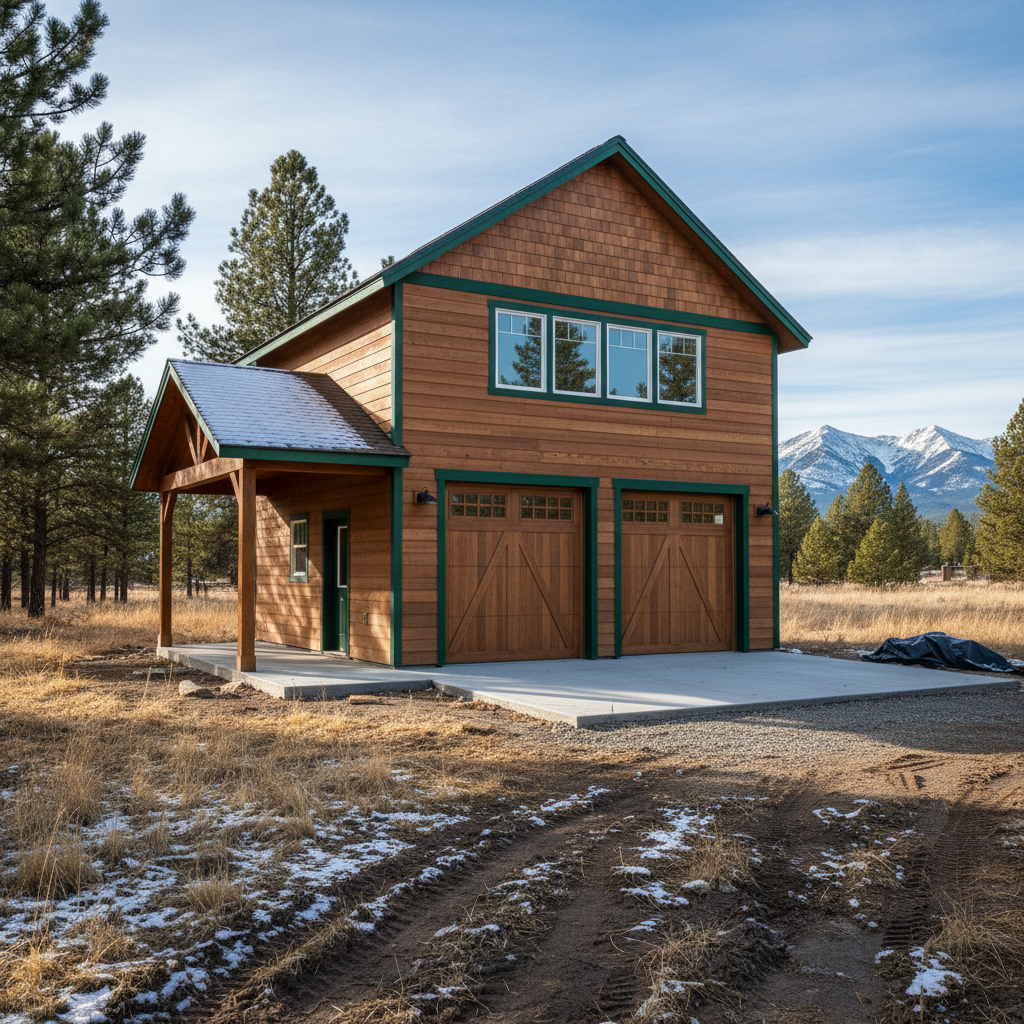
When's the best time to build a shed here in Helena? That's a question I get a lot, and honestly, it's not always as simple as picking a sunny Saturday. Our weather, as you know, can be a real character. It plays a huge role in everything from scheduling your build to keeping your shed in top shape for years.
Timing Your Helena Shed Project
You'd think summer's the obvious choice, right? Warm, dry, long days. And sure, it's great for pouring concrete and getting framing up fast. But everyone else thinks that too, which means contractors like me are slammed. If you're looking to get a custom shed built by, say, Custom Sheds Helena, and you wait until June to call, you might be looking at an August or September start date. We're usually booked out a ways.
My advice? Start planning in late fall or early winter. That way, you can get on the schedule for a spring build, and often, you'll have more flexibility. We can do a lot of the planning, design, and material ordering during the colder months. Plus, if we get a mild spell in March or April, we can often get a jump on things before the summer rush really kicks in. Spring is generally fantastic for shed building around here — the ground's thawing, but it's not usually too muddy yet, and we avoid the scorching heat of July and August.
Fall can also be a sweet spot. Once the summer madness dies down, we often have more availability. The weather's usually pretty cooperative through September and even into October. You just have to watch out for those early snowfalls, which can really throw a wrench in things if we're still trying to pour a foundation.
Helena Weather and What It Means for Shed Work
Our climate isn't just about hot summers and cold winters. It's the extremes and the rapid changes that really challenge shed construction and maintenance. Here's what we're always thinking about:
- Frost Heave: This is a big one, especially if you're out in areas with a lot of clay soil, like some of the older neighborhoods around the North Hills. If your foundation isn't dug deep enough or properly prepared, that constant freezing and thawing cycle can lift and shift your shed. That's why we always emphasize proper foundation work, whether it's a deep gravel pad or a concrete slab with good footings. You don't want your shed looking like it's doing the cha-cha after a few winters, do you?
- Wind: Helena gets windy. Sometimes *really* windy. A shed needs to be properly anchored and built to withstand those gusts. We're not just talking about a little breeze; we're talking about winds that can tear off roofing or even shift a poorly built structure.
- Moisture: Rain, snow, sleet, and then the melt. All that moisture is constantly trying to get into your shed. Proper roofing, good siding, and adequate ventilation are crucial. You want to keep the inside dry to prevent rot, mold, and mildew, especially if you're storing tools, equipment, or anything valuable.
- Sun Exposure: Our high altitude means strong UV rays. This can really bake and fade paint, crack sealants, and degrade roofing materials over time.
Protecting Your Shed Investment Year-Round
Once your shed is up, the work isn't over. You've made a significant investment, and you want it to last. Here's how to keep it in tip-top shape:
- Spring Check-Up: After the snow melts, take a good look. Check for any loose shingles or damaged siding from winter storms. Make sure your gutters (if you have them) are clear of debris. Look for any signs of water pooling around the foundation — that's a red flag.
- Summer Maintenance: This is a great time for painting or staining. The warm, dry weather helps finishes cure properly. Trim back any bushes or trees that are touching your shed; you want good airflow around the structure to prevent moisture buildup and keep pests away.
- Fall Prep: Before winter hits, give your shed a thorough inspection. Seal any cracks or gaps in the siding or around windows and doors to keep out drafts and moisture. Clean out gutters again. Make sure your roof is in good condition to handle heavy snow loads. If you've got a gravel foundation, check if any gravel has shifted and needs to be topped up.
- Winter Watch: Keep an eye on snow buildup on the roof, especially after heavy storms. While a well-built shed can handle a lot, excessive, heavy snow can put a strain on the structure. If you notice significant accumulation, it's a good idea to carefully remove some of it. Also, make sure snow isn't piled up against the sides of the shed for extended periods, as this can lead to moisture issues.
It's all about being proactive. A little bit of attention throughout the year goes a long way in preventing bigger, more expensive problems down the road. Your shed works hard for you, so give it the care it deserves!