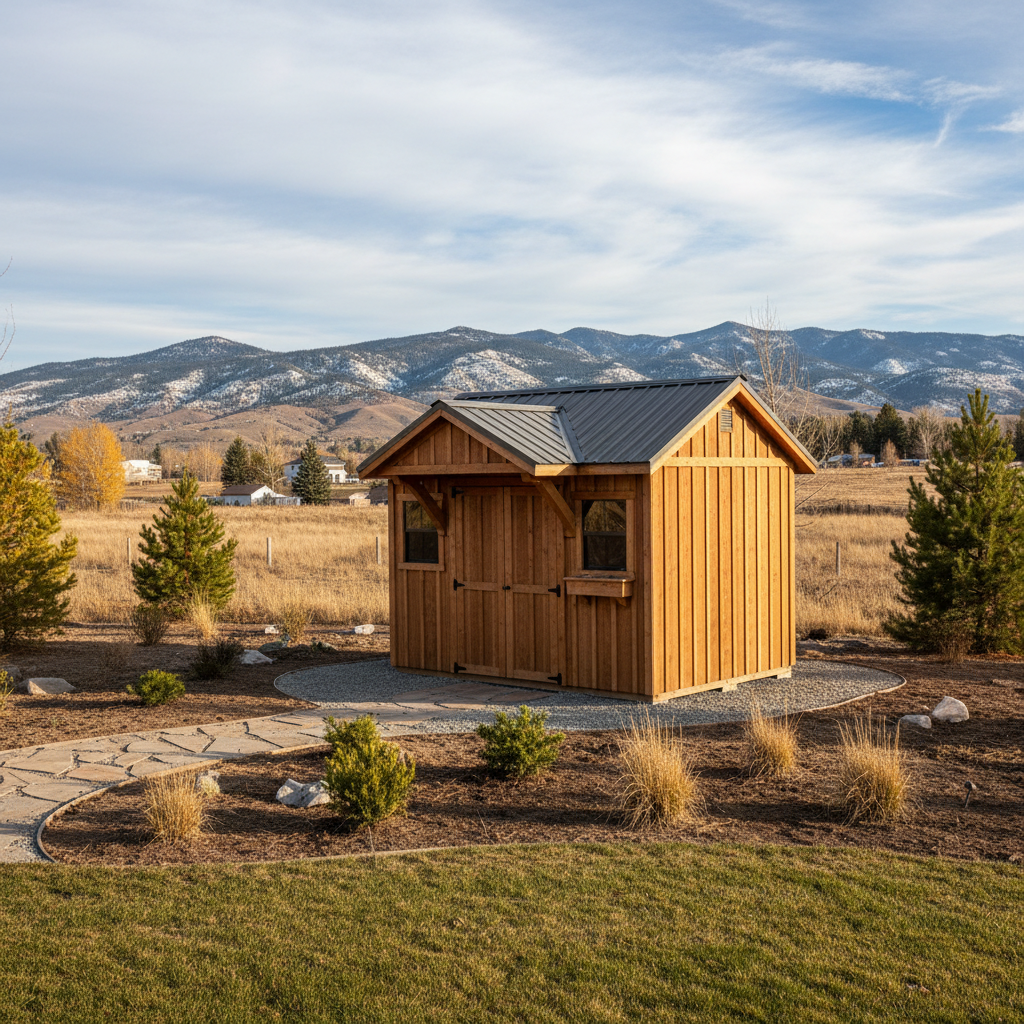
Timing Your Helena Shed Project Right
So, you're thinking about a new shed? That's fantastic! But here in Helena, *when* you decide to build can really change things. I've seen plenty of folks try to rush a project in late fall, and frankly, that's usually not the best move. The ground's already getting cold then, and we're just about to hit frost. Trying to pour concrete or even just level a gravel pad when the ground's freezing up isn't ideal; it can mess with how the concrete cures and how stable your foundation ends up. You want a solid base for your shed, don't you?
For any new builds, I always suggest aiming for spring or early summer. That's when the ground has completely thawed, it's usually drier, and we've got tons of daylight. It gives us a good window to get the foundation perfectly set and the structure up without fighting snow or mud. Plus, if you're planning a custom paint job, those warmer, drier days are perfect for good adhesion and curing. Nobody wants paint peeling off after just one winter.
Helena's Weather: What It Means for Your Shed
Our climate here in Helena doesn't mess around. We get those brutal cold snaps, heavy snow, and then scorching summers. All of that takes a toll on any outdoor structure, especially a shed if it's not built right or looked after. Just think about the freeze-thaw cycles we experience, particularly in places like the North Valley where the soil can be a bit more expansive. That constant expansion and contraction can really stress foundations and even the shed's framing over time. That's why proper ventilation and a sturdy foundation aren't just good ideas; they're essential.
Then there's the sun. Our elevation means strong UV rays, even in winter. That sun can seriously dry out and crack untreated wood, fade paint, and degrade roofing materials faster than you'd imagine. So, it's not just the snow you need to worry about; the sun's a quiet destroyer for your shed's exterior.
Spring Cleaning & Checks
Once the snow melts and things start to green up, that's your signal for a spring shed check-up. This is when you should look for any damage from winter. Check the roof for loose shingles or flashing. Did any branches fall and ding it up? Make sure your gutters (if you have them) are clear of debris so water can drain away properly. You absolutely don't want water pooling around the base of your shed, especially after our heavy snowmelt. That's just asking for trouble with rot and foundation issues. Give the exterior a good once-over for any signs of peeling paint or wood rot. Catching these things early saves you a headache and a much bigger repair bill later on.
Summer Protection & Maintenance
Summer's usually when your shed gets the most action, right? You're in and out, grabbing gardening tools, lawnmowers, or whatever else you've got stashed in there. But it's also a time for proactive protection. If you've got any exposed wood, think about a fresh coat of stain or sealant. That'll shield it from those intense Helena sun rays and keep moisture out. Keep the area around your shed clear of tall weeds or bushes; they can trap moisture against the siding and invite pests. Good airflow around the shed is super important. If you've got a window, double-check that the caulk is still good and not cracked. Those summer thunderstorms can be fierce, and you definitely don't want water getting in.
Fall Prep for Winter
As soon as those leaves start changing color, it's time to get your shed ready for another Montana winter. This is probably the most crucial seasonal prep you'll do. Clear out your gutters again – those falling leaves will fill them up fast. Trim back any tree branches that are hanging over your shed; you don't want heavy snow weighing them down and breaking off onto your roof. Make sure all your doors and windows seal tightly. If you've got a vent, check that it's clear and not blocked by spiderwebs or anything else. You want good airflow, even in winter, to stop condensation from building up inside. If you've got any tools or equipment that can't handle freezing temperatures, bring them inside. And for anything staying, make sure it's off the floor if possible, just in case of any snowmelt or unexpected moisture.
Winter Care: Don't Forget It!
Just because it's cold and snowy doesn't mean your shed is off the hook. After a heavy snowfall, if you can safely manage it, carefully clear snow off the roof. Heavy, wet snow can put a ton of stress on your roof structure, especially if it's an older shed or wasn't built to handle our typical snow loads. Also, make sure snow isn't piling up too high against the sides of your shed. That can cause moisture to wick up into the siding. Keep pathways clear so you can still access it if you need to. A well-built shed from Custom Sheds Helena is designed to handle our winters, but a little proactive care really helps it last for decades.
Year-Round Investment Protection
Ultimately, your shed is an investment, whether you use it for storage, a workshop, or even a home office. Treating it right year-round means it'll serve you well for a long, long time. It's not just about building it strong; it's about staying on top of the little things, season after season. A bit of preventative maintenance now can save you from big repairs later. If you ever have questions about what your shed needs or if you're looking to build one that's truly ready for Helena's unique climate, you know who to call. We're always happy to talk sheds.