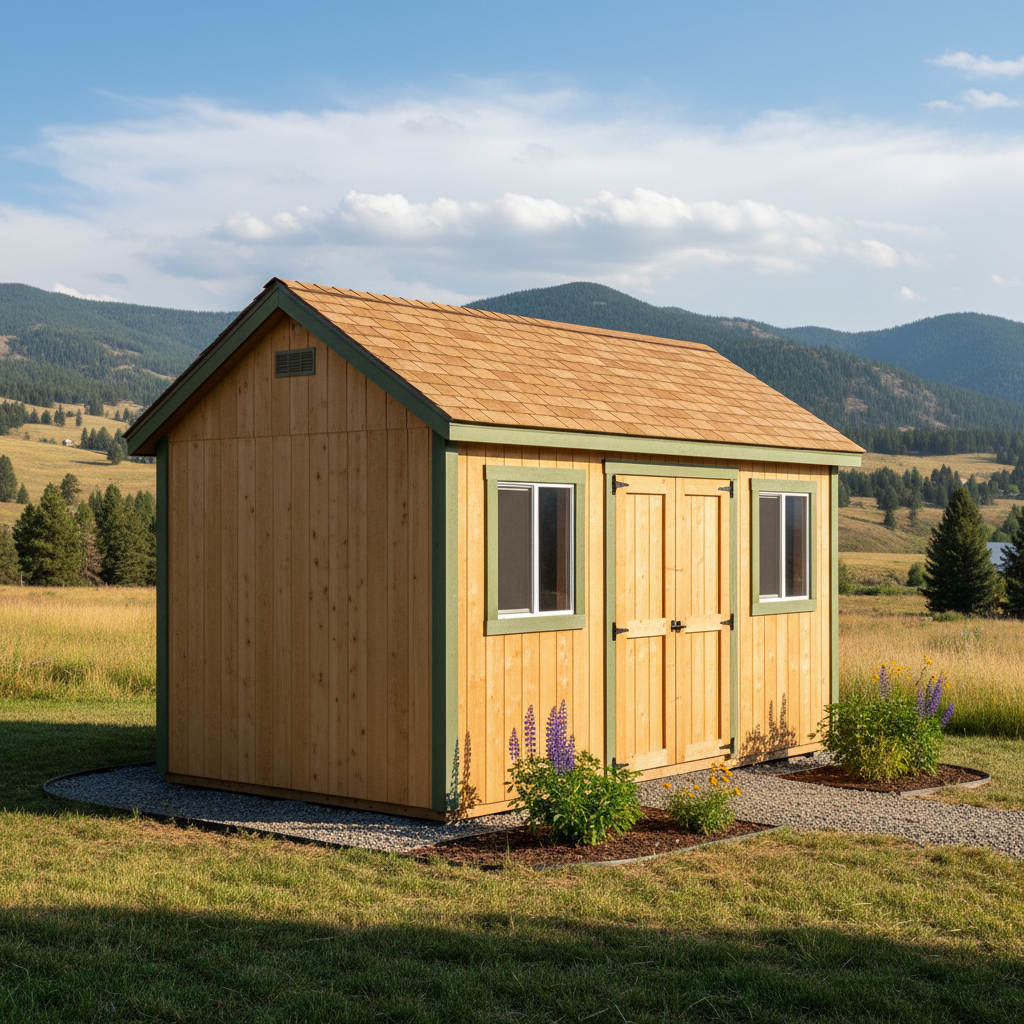
Your shed isn't just some spot to toss the lawnmower; it's a real investment. Especially here in Helena, where we see everything from scorching summer heat to heavy winter snows and those famous chinook winds, a shed really takes a beating. Ignore it, and you'll probably face repairs or even a full replacement sooner than you'd like. But with just a little regular care, you can make sure that structure—whether it's a simple storage shed or a custom workshop from Custom Sheds Helena—lasts for decades. Pretty neat, huh?
Making Your Shed Last Longer
It all starts with good bones, naturally. A solid foundation, quality materials, and sturdy construction are absolutely essential. Even the best-built shed, though, needs ongoing attention. One of the biggest things you can do is handle moisture. Water is wood's worst enemy, and it's no friend to metal either. So, make sure your gutters (if you've got 'em) are clean and sending water well away from the foundation. If you don't have gutters, think about adding them, especially if your roof tends to dump a lot of water right next to the walls.
Ventilation is another huge one. Trapped moisture inside can lead to rot, mold, and mildew. Check that any vents are clear and nothing's blocking them. If your shed feels damp or smells musty, you probably need more airflow. Sometimes, just leaving the door open on a dry, breezy day helps, but a proper permanent ventilation system is a much better bet.
Finally, keep the area around your shed clear. Don't let bushes or trees grow right up against the walls. That just traps moisture, blocks sunlight, and basically builds a highway for pests. Trim back any branches that hang over the roof, too. They'll drop leaves and debris into your gutters and can even scratch up your roofing material.
What Does Regular Maintenance Look Like?
You won't need to spend hours every weekend, but a seasonal check-up will definitely save you some headaches down the road. I usually tell folks to do a thorough inspection twice a year: once in the spring after the snow melts, and then again in the fall before winter really kicks in.
- Roof Inspection: Look for shingles that are cracked, missing, or curled. Check for any spots that seem to be sagging. If you have a metal roof, keep an eye out for loose screws or rust. Fix any problems right away. A small leak can become a huge mess fast, believe me.
- Exterior Walls: Check for peeling paint or stain. This isn't just about looks; it's your main defense against moisture. Reapply it when needed. Look for cracks or gaps in the siding, especially near windows and doors. Caulk any small openings you find.
- Doors and Windows: Make sure they open and close smoothly. Give the hinges and latches a little lubrication. Check the weatherstripping and seals around them, too. These are often where water and pests sneak in.
- Foundation and Skirting: Look for any signs that your shed is settling or shifting. If you've got a gravel pad, make sure it's still level and the gravel hasn't washed away. Also, check for any gaps between the skirting and the ground that might let critters in.
- Interior Check: Look for any signs of leaks on the ceiling or walls. Check for mold or mildew. Keep the floor clear and organized; it makes spotting problems a lot easier.
Warning Signs of Trouble
Don't wait for a major issue to pop up. Your shed will usually give you clues if something's going wrong. Here are a few things to watch for:
- Musty Odor: This almost always means you've got a moisture problem, and probably mold or mildew. Find out where it's coming from and fix it.
- Sagging Roof or Floor: This is a serious structural issue. It could be from heavy snow loads, water damage, or foundation problems. Don't ignore it, ever.
- Pest Droppings or Chewing: Mice, rats, and even insects love a warm, dry place. If you see signs of them, seal up their entry points and deal with the infestation.
- Peeling Paint or Discolored Wood: Especially near the bottom of walls or around windows. This is a clear sign that water is getting in.
- Doors or Windows Sticking: This can mean the shed is settling or shifting, or just that the wood has swollen from humidity.
When to Call a Professional
Look, I'm a big fan of DIY when you can do it safely and correctly. But there are times when you really should call in someone who knows their stuff. If you see significant structural damage, like a sagging roof or floor, or if the shed walls are bowing, that's a job for a pro. Trying to fix a major structural issue yourself without the right knowledge or tools can make things worse, or even be dangerous.
If you've got persistent leaks you can't track down, or if you're dealing with a widespread mold problem, getting an expert opinion is also a good idea. Sometimes, what looks like a simple repair is actually a symptom of a much bigger issue. And honestly, if you're not comfortable getting up on a ladder to inspect your roof, or if you're just not sure what you're even looking at, give us a call. We're happy to take a look and give you an honest assessment. Addressing issues early is always better than letting them turn into a complete rebuild.