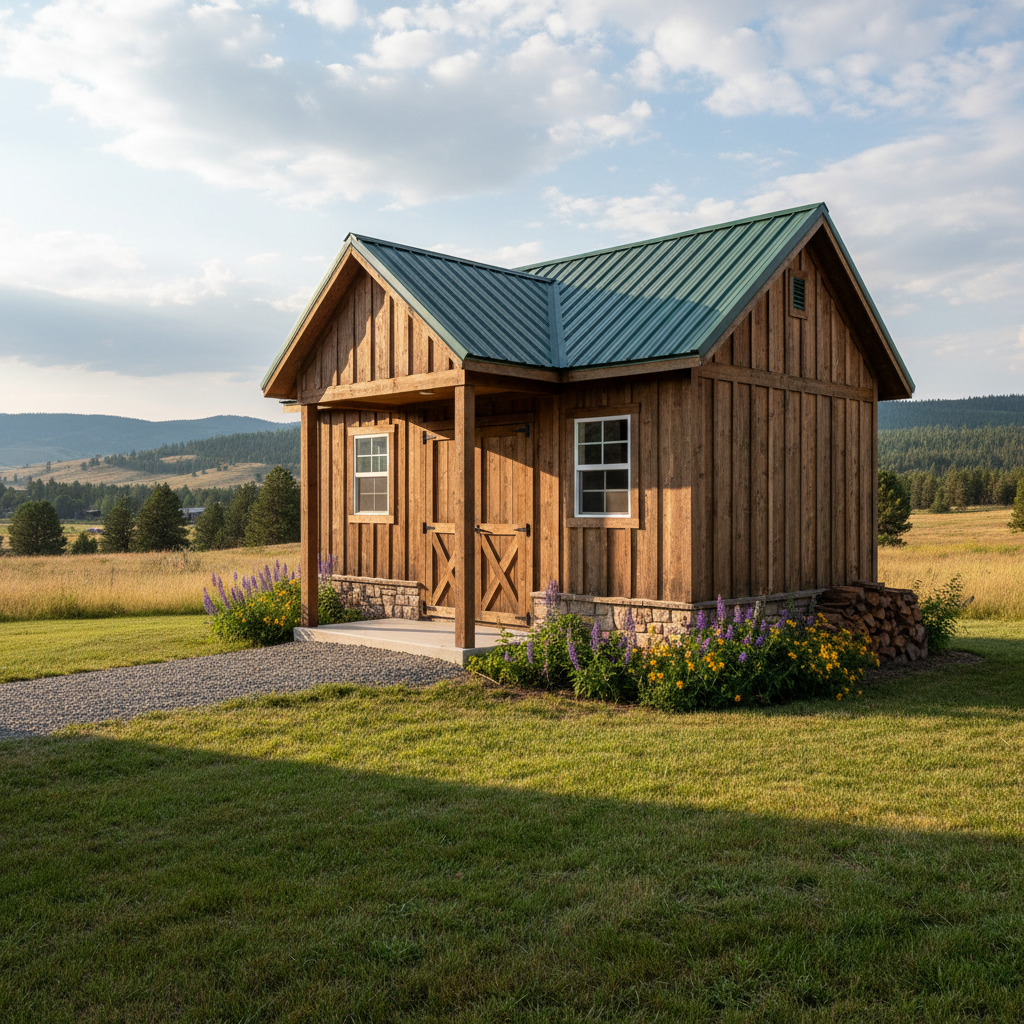
Your Custom Shed: Built to Last, If You Let It
You put good money and thought into getting a custom shed built, right? Whether it's a workshop, extra storage, or that backyard retreat you've always wanted, you want it to last. And it will, especially if you give it a little love. I've seen sheds around Helena that are still standing strong after decades, and I've seen some that look rough after just a few years. The difference? Maintenance, plain and simple.
Here's what I tell all my clients at Custom Sheds Helena: a shed isn't a 'set it and forget it' kind of deal, especially not with our Montana weather. We get those brutal winters, hot summers, and everything in between. That takes a toll.
Regular Maintenance: Your Shed's Best Friend
Think of your shed like a smaller version of your house. It needs similar attention. A few hours a year can add years, even decades, to its life.
Check the Roof: This is probably the most critical spot. Twice a year – once in the spring after the snow melts and again in the fall before winter sets in – get up there (safely!) and take a look. Are shingles missing or curled? Is there any moss or debris building up? Clear off leaves, pine needles, and anything else that can trap moisture. If you've got a metal roof, check for loose screws or bent panels. Water getting in through the roof is a shed killer.
Inspect the Siding: Walk around your shed. Look for cracks, peeling paint, or loose boards. If your shed is wood, check for rot, especially near the bottom where it's closest to the ground. For painted sheds, touch up any spots where the paint is failing. That paint isn't just for looks; it's a protective barrier against moisture and UV rays. For Helena, where we can get some pretty intense sun exposure, good paint or stain is crucial.
Clean Gutters: If your shed has gutters, keep 'em clean. Clogged gutters mean water overflowing and running down your siding and pooling around the foundation. That's a recipe for rot and foundation issues. Clear them out with a scoop or a hose.
Foundation Check: Take a peek at the base of your shed. Is the ground sloping away from it, or is water pooling? You want good drainage. If you see any signs of settling or cracking in the foundation itself, that's something to keep an eye on.
Doors and Windows: Make sure they open and close smoothly. Check the weather stripping around doors and windows. If it's cracked or missing, replace it. You don't want drafts or moisture getting in.
Warning Signs: Don't Ignore These
Sometimes problems pop up faster than you expect. Knowing what to look for can save you a lot of grief.
Soft Spots: If you press on a piece of wood siding, trim, or floor and it feels soft or spongy, that's rot. It means water's been getting in, and you need to address it quickly before it spreads.
Musty Smell: Walk into your shed. Does it smell damp or musty? That's a strong indicator of moisture problems, probably mold or mildew. Find the source – a leak, poor ventilation, or both.
Pest Evidence: Sawdust piles, chewed wood, or droppings are signs of unwelcome guests. Mice, carpenter ants, and other pests love a cozy, dry shed. Seal up any entry points you find.
Sagging or Leaning: If your shed starts to look like it's doing a jig, something's seriously wrong with the foundation or framing. This isn't just cosmetic; it's a structural issue.
Water Stains: Look for discoloration on the ceiling, walls, or floor inside your shed. Water stains mean a leak, and you need to trace it back to its source – usually the roof or a window seal.
When to Call a Pro
Look, I'm a big believer in DIY, but there are times when you just need to call someone who knows what they're doing. If you see any of these, don't hesitate to reach out:
Major Roof Damage: If you've got widespread shingle loss after a big windstorm, or a large section of your metal roof is compromised, it's safer and smarter to have a professional handle the repair. Especially with our blustery winters around places like the North Valley, a good roof is non-negotiable.
Structural Issues: Sagging rooflines, leaning walls, or significant foundation cracks are not DIY projects. These require expertise to diagnose and fix properly to ensure the shed remains safe and sound.
Widespread Rot: If you've got rot in multiple areas or in critical structural components, it's often best to have a contractor assess the extent of the damage and recommend the right course of action.
Persistent Leaks: You've tried patching a leak, but it keeps coming back? Sometimes the source isn't obvious, and a pro can pinpoint it and fix it for good.
Taking care of your shed isn't glamorous, but it's essential. A little proactive maintenance goes a long way in protecting your investment and keeping your custom shed functional and looking great for years to come. Don't wait until a small problem turns into a big, expensive headache.