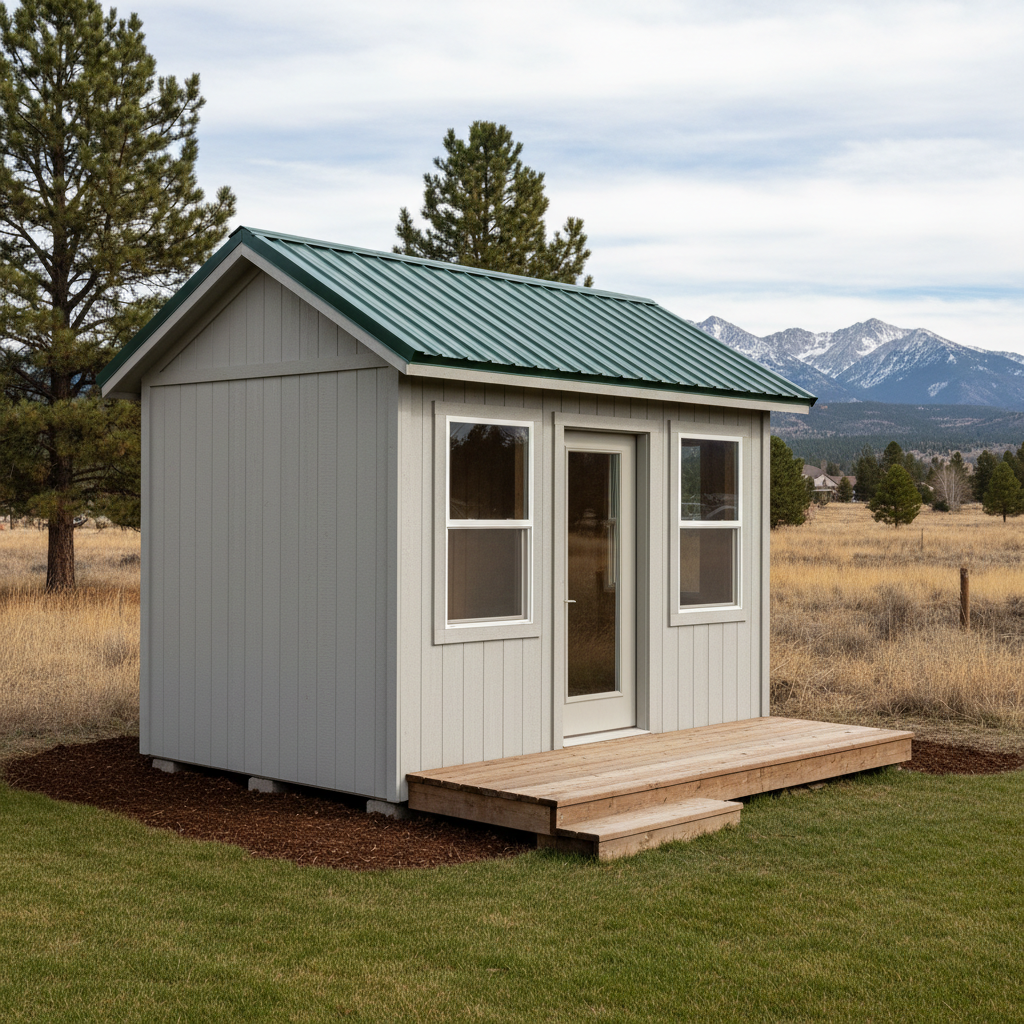
So, you’ve got yourself a nice office shed out back. Maybe it’s where you escape the kids, or where you run your whole business. Either way, it’s a crucial part of your daily grind, and you want it to last. I’ve seen all sorts of sheds come and go, and the ones that stand the test of time — especially with our Helena winters and hot summers — are the ones that get a little love.
Making Your Office Shed Last Longer
The biggest thing you can do to make your shed last is to keep an eye on it. It’s not a 'build it and forget it' kind of deal, you know? Think of it like your car; regular check-ups prevent bigger problems down the road. For an office shed, particularly one that’s heated and cooled, you've got a few extra things to think about beyond just a basic storage unit.
First off, good drainage around the foundation is huge. We get a lot of freeze-thaw cycles here in Helena, and that can really mess with a foundation if water's pooling up against it. So, make sure your gutters are clear and downspouts are directing water well away from the shed. If you've got a gravel pad, check that the gravel hasn't shifted too much, creating low spots where water can sit.
Ventilation is another big one, especially if you're running electronics in there. You don't want moisture building up inside, which can lead to mold, rot, and even damage to your pricey equipment. Make sure any vents aren't blocked and are actually doing their job.
Your Maintenance Checklist: Keep It Simple
You don't need to spend hours every weekend, but a quick once-over a few times a year can save you a lot of headaches and money. Here’s what I tell folks:
- Spring Clean-Up: After the snow melts, check for any winter damage. Look at the roof for missing shingles or flashing. Check the siding for cracks or loose panels. And please, clean out those gutters – you'd be surprised what gets in there over the winter.
- Summer Checks: With the heat, wood can expand and contract. Look for any new gaps around windows or doors. Check your exterior paint or stain; is it fading or peeling? A fresh coat every few years protects the wood from those harsh UV rays and moisture.
- Fall Prep: Before the snow flies, clear away any leaves or debris from the roof and around the foundation. Make sure your weatherstripping around doors and windows is still good. You definitely don't want drafts when it's -20 degrees out.
- Interior Scan: Regularly check inside for any signs of leaks, condensation, or pests. Look at the ceiling, walls, and corners. If you see water stains, you've got a problem that needs addressing fast.
Oh, and don't forget to check your door hardware. Hinges, locks, and handles can get stiff or corroded. A little lubricant goes a long way, believe me.
Warning Signs You Really Shouldn't Ignore
Your shed will usually tell you when something's not right, if you're paying attention. Here are some red flags:
- Water Stains or Leaks: Any sign of water inside is a problem. It means your roof, siding, or foundation isn't doing its job. Don't put it off; water damage only gets worse.
- Soft Spots or Rotting Wood: If you push on a piece of wood and it feels spongy, that's rot. This usually happens near the ground or where water has been sitting for too long.
- Pest Activity: Sawdust piles, chewed wood, or droppings are clear signs of critters. They can cause structural damage and make a mess – a real nuisance.
- Sagging Roofline or Uneven Floors: These are serious structural issues. It could mean foundation problems, or that the roof framing is failing.
- Drafts or Condensation: If you feel cold air coming in or see moisture on the windows, your insulation or sealing might be compromised.
I’ve seen sheds in the North Valley that get hit hard by wind, and if you're noticing loose siding or trim after a big gust, that's something to jump on right away.
When to Call a Professional
Look, I'm a big believer in DIY when you can, but some things are best left to the pros. If you see any of those serious warning signs – major leaks, structural issues like a sagging roof, or extensive rot – it's time to pick up the phone. Trying to fix a big structural problem yourself can be dangerous and often ends up costing more in the long run if it's not done right.
Also, if you're dealing with persistent pest issues that your traps aren't handling, a pest control expert is a good idea. For electrical problems, always call a licensed electrician. You don't want to mess around with that, ever.
For anything related to the structure, roof, or foundation of your office shed, especially if it's a custom build like the ones we do at Custom Sheds Helena, don't hesitate to reach out. We know these buildings inside and out, and we can usually diagnose and fix problems efficiently, getting your workspace back to perfect condition. A little preventative maintenance and knowing when to call for help will ensure your office shed serves you well for decades.