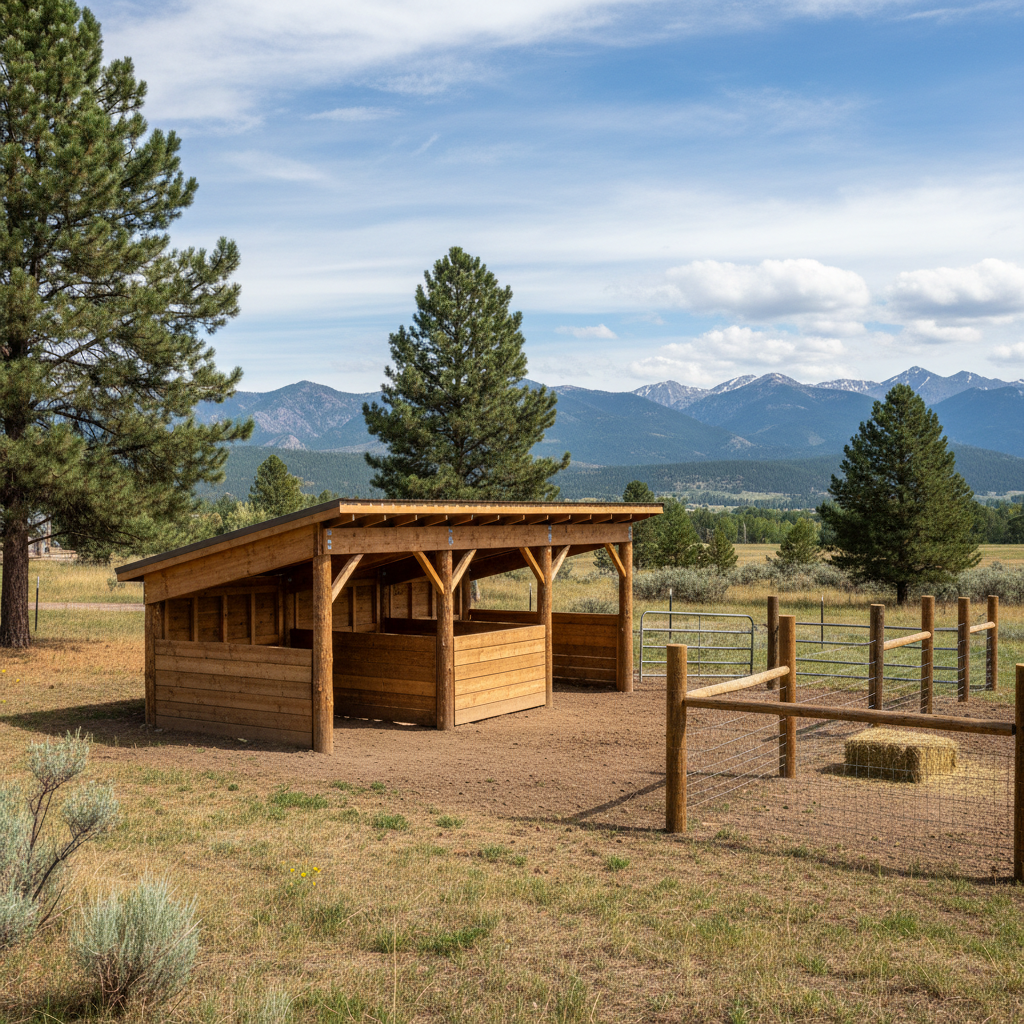
Alright, let's talk about livestock shelters. Whether you've got a couple of goats, some chickens, or even a small herd out in the valley, a good shelter isn't just a luxury; it's essential for keeping your animals healthy and happy through our Helena winters. But I've seen plenty of folks around here, especially first-timers, make some common mistakes that end up costing them a lot more than they bargained for. Let's get into what to watch out for.
Mistake #1: Not Planning for Growth (or Shrinkage)
This is a big one. You might start with three chickens and think a small coop is fine. Then, six months later, you've got a dozen, and that small coop is overflowing. Or maybe you're planning for a few sheep, but you don't consider how much space they'll need once they're full-grown, or if you decide to breed them. It's not just about the number of animals, but their size and behavior. Sheep need more room to move around than chickens, obviously. Always build a little bigger than you think you need right now. It's cheaper to build it right the first time than to expand or replace a too-small shelter down the road.
Mistake #2: Ignoring Local Weather & Terrain
You live in Helena, right? You know our weather can be brutal. We get heavy snowfalls, freezing temperatures, and sometimes those crazy chinook winds that can really test a structure. I've seen shelters built too flimsy, or without proper foundations, get damaged in a single season. You need to think about snow load on the roof, wind resistance, and proper drainage. Our clay soils around here, especially in areas like the North Valley, can be tricky. If your shelter isn't on a solid, well-drained foundation, you're asking for trouble with shifting, moisture, and rot. Good ventilation is also key, even in winter, to prevent respiratory issues for your animals. Don't just slap something together; think about how it'll stand up to a real Montana winter.
Mistake #3: Skimping on Materials & Construction
I get it, everyone wants to save a buck. But a livestock shelter isn't the place to cut corners on quality. Cheap lumber, flimsy roofing, or inadequate fasteners might look okay initially, but they won't last. You'll end up with drafts, leaks, and a structure that needs constant repairs. This isn't just about longevity; it's about the safety and well-being of your animals. A collapsing roof or a wall that can't withstand a kick from a frustrated animal is a serious hazard. Invest in durable, weather-resistant materials. It pays off in the long run, both in reduced maintenance and peace of mind. When Custom Sheds Helena builds something, we build it to last, because we know what our local conditions demand.
Mistake #4: Forgetting About Future Access & Maintenance
You've built your shelter, great. Now, how are you going to clean it? How will you get feed in and manure out? I've seen shelters built with doors that are too small, or without easy access to bedding areas. Think about your daily routine. Will you be hauling buckets of water through a tiny opening? Will you have to contort yourself to muck out stalls? Make sure there's enough head clearance, wide enough doors, and good access for cleaning tools. Also, consider where you'll store feed and hay – keeping it dry and easily accessible to the shelter is a huge time-saver. Don't forget about predator control either; secure latches and sturdy walls are non-negotiable.
Mistake #5: Not Checking Local Regulations
This might sound boring, but it's crucial. Depending on where you live in Helena or Lewis and Clark County, there might be specific zoning laws, setback requirements, or even permits needed for certain structures, especially if they're over a certain size. You don't want to build a beautiful new shelter only to find out you have to move it or tear it down because you didn't check the rules. A quick call to the county planning department can save you a massive headache and potential fines. It's always better to know before you start digging.
Building a good livestock shelter is an investment in your animals and your property. Take the time to plan it right, use quality materials, and don't be afraid to ask for help from folks who've done it before. You'll be glad you did when the snow starts flying.